Barcelona is no longer talking about the future of health. It is trying to build it.

Barcelona is no longer talking about the future of health. It is trying to build it.

Barcelona is no longer talking about the future of healthcare. It is trying to build it.

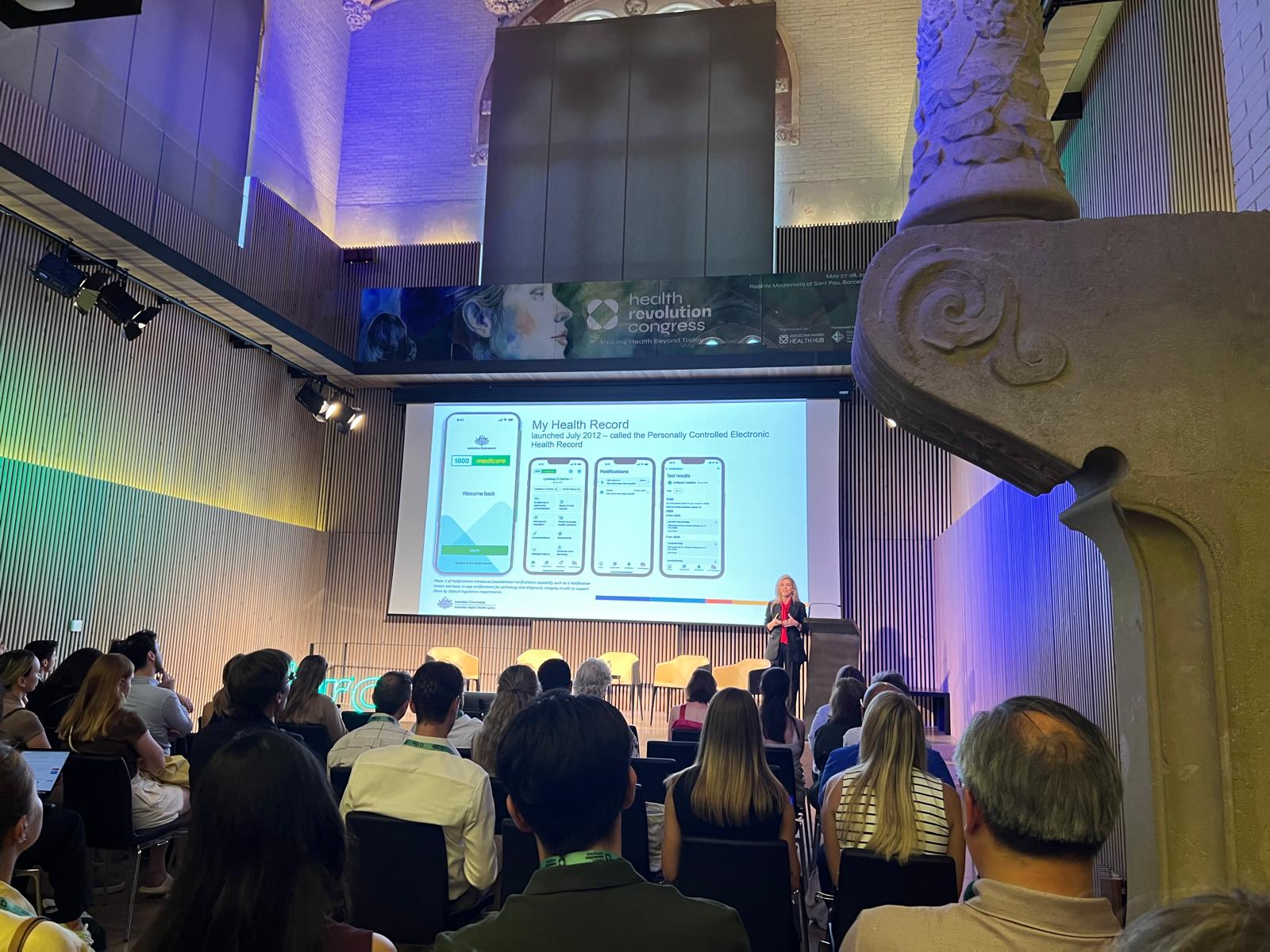
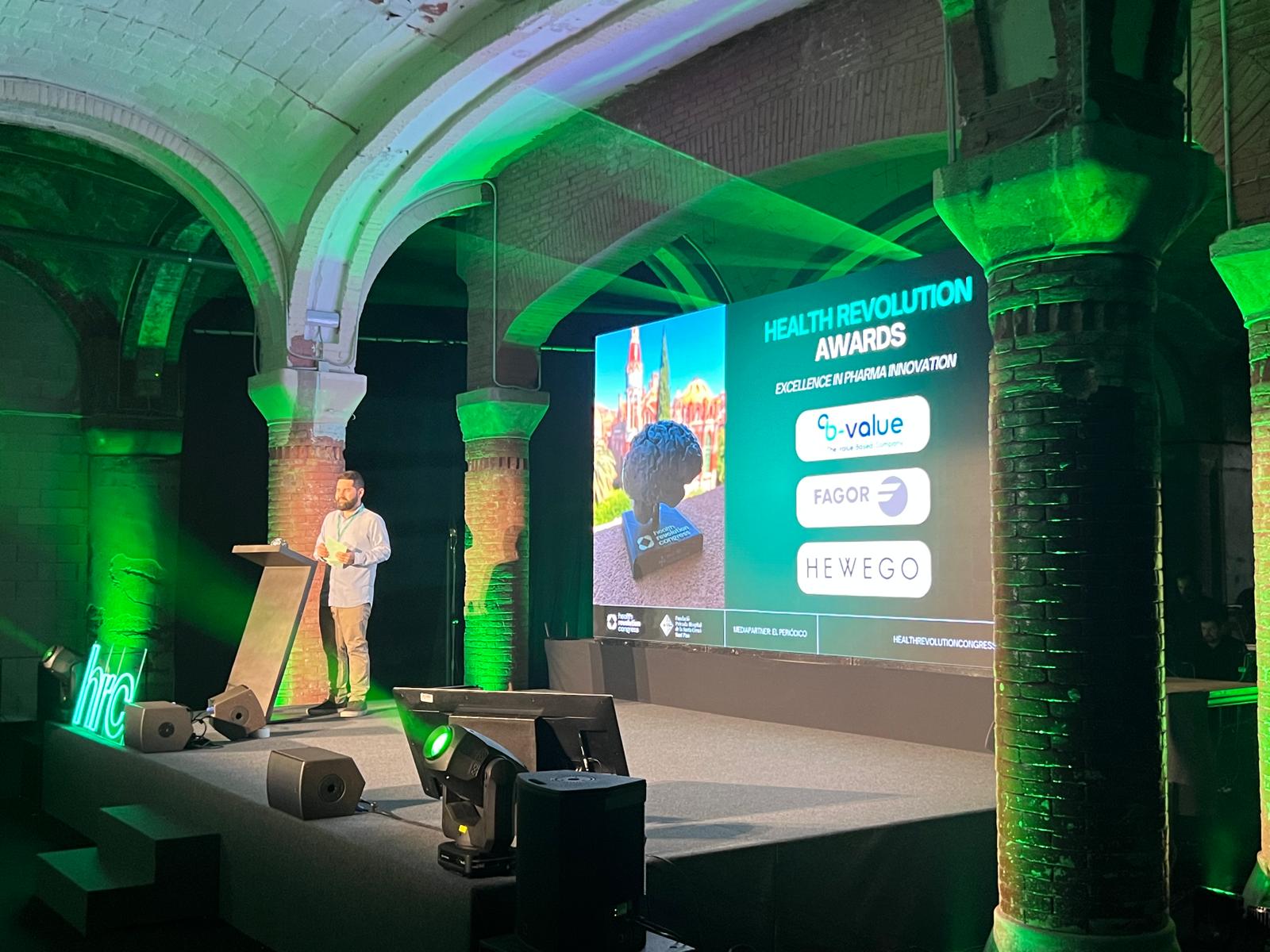
Over the last two days, Gonzalo Cámara, CEO of HEWEGO, has been participating in the Health Revolution Congress held at the Recinte Modernista de Sant Pau in Barcelona.

A symbolic place where the hospital of the past coexists with the conversations trying to define what healthcare will look like in the years ahead.

And if there is one thing the HRC is making clear, it is this:

– Digital health is no longer only about technology.
– It is about connecting innovation, healthcare systems and people in a way that truly works.

Much more than a digital health congress.

With nearly 2,000 international attendees, startups, hospitals, laboratories, investors and institutions, the Health Revolution Congress has become one of Europe’s leading spaces where innovation, collaboration and business in digital health come together.

But probably the most interesting part does not only happen on stage.

It happens in the meetings.
In the conversations between hospitals and companies.
In the debates where the sector is starting to talk less about the “future” and more about real implementation.

Because the big question is no longer what technology is coming next.

The real question is: How do we integrate that technology into real healthcare systems without losing the human component?

areas-de-salud

AI is no longer being positioned as a replacement. It is being positioned as a complement.

During the congress, there has been extensive discussion around artificial intelligence, automation, personalized medicine and predictive models.

But one of the most interesting reflections kept appearing between the lines:

– Patients still do not fully trust a diagnosis generated solely by AI without professional supervision.
– But at the same time, they increasingly trust healthcare professionals who use AI tools more than those who do not.

And that idea probably summarizes perfectly the moment digital health is currently experiencing.

AI is not being understood as a technology designed to replace healthcare professionals.

It is being understood as a tool to complement, strengthen and expand their capabilities.

And that completely changes the conversation.


Being finalists also says a lot about the current moment of the sector.

During the HRC, Gonzalo Cámara held meetings with different laboratories and strategic players within the healthcare ecosystem, sharing a vision closely aligned with where the sector seems to be heading:

More participatory models, patient experience, continuity of care, adherence, personalization and tools capable of supporting people beyond the clinical moment.

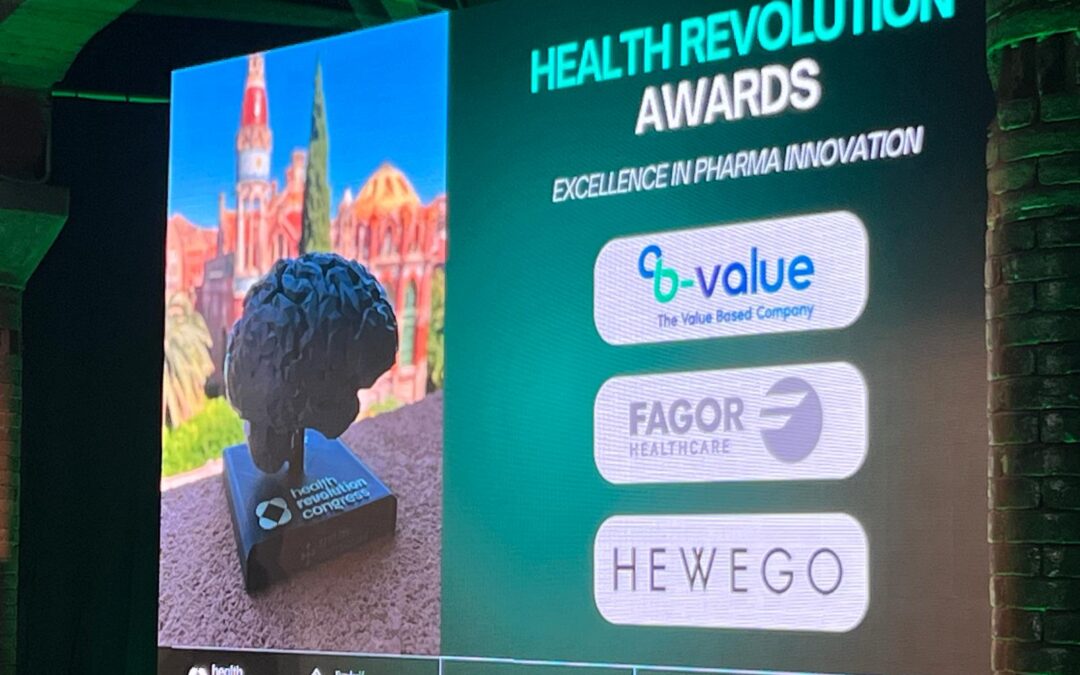
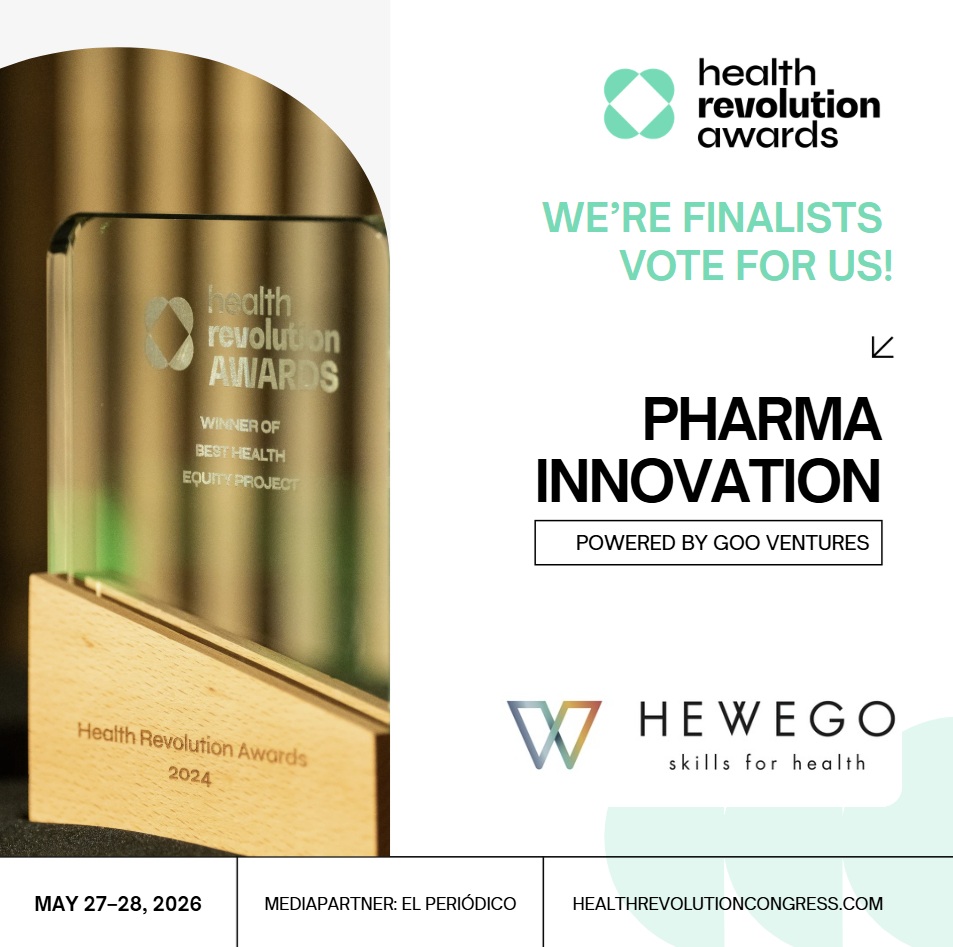
In this context, HEWEGO was also selected as a finalist in the Health Revolution Awards within the Excellence in Pharma Innovation category.

Beyond the recognition itself, these kinds of spaces help validate something important:

The healthcare sector is beginning to focus on solutions capable of combining:

  • TECHNOLOGY
  • BEHAVIOUR
  • EXPERIENCE
  • AND HEALTH COMMUNICATION

And that is probably where an important part of the next healthcare transformation begins.

The next healthcare revolution will probably be far more human than it seems.

At the XIV National SEDISA Conference

At the XIV National SEDISA Conference

Healthcare is no longer looking only for technology. It is looking for solutions that fit into real life.

For years, much of healthcare innovation has focused on developing increasingly advanced technology.

But something is changing.

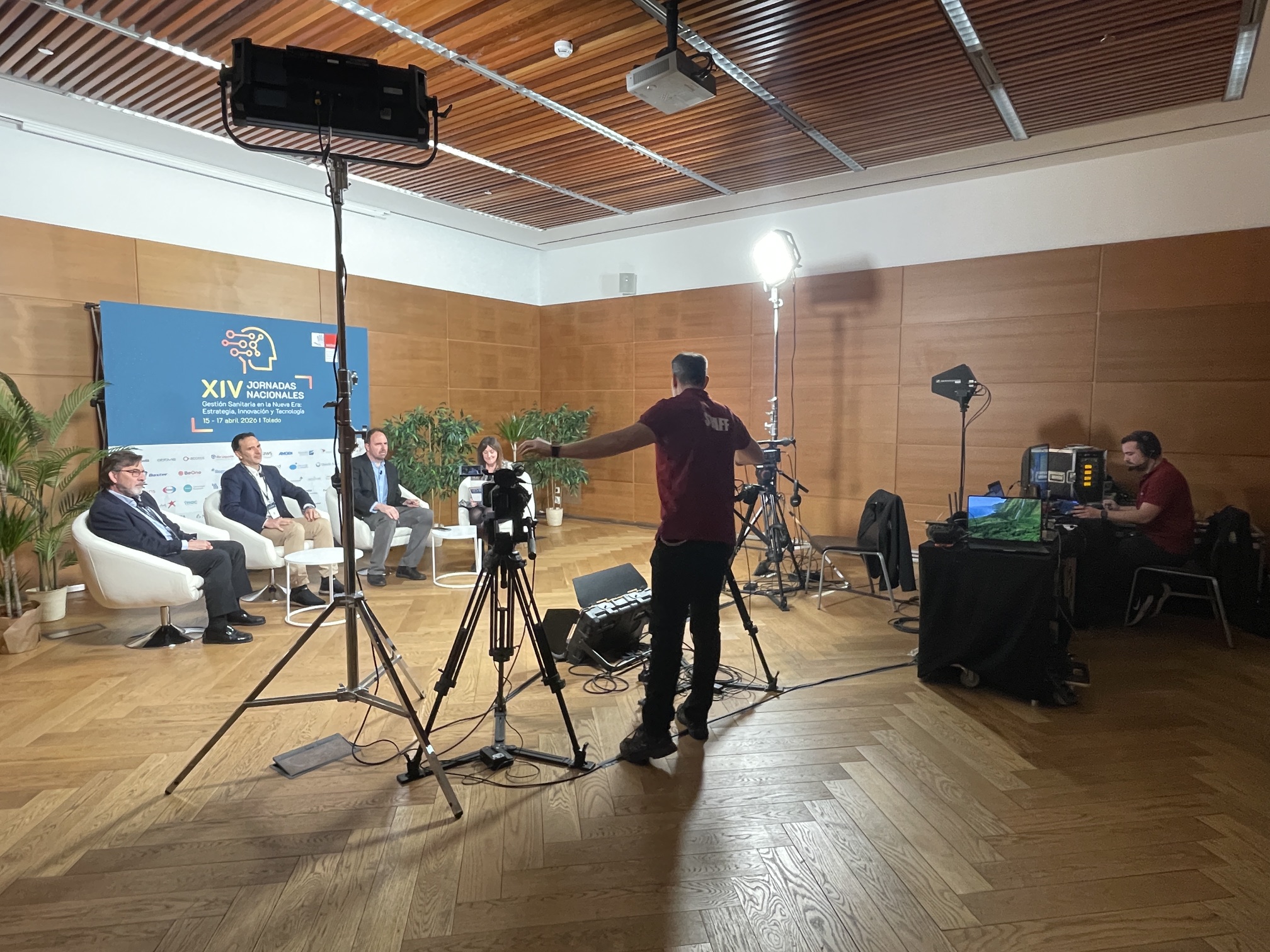
At the XIV National SEDISA Conference, held in Toledo, one idea kept appearing repeatedly throughout many conversations:

  • The challenge is no longer just about innovating
  • The real challenge is making innovation work within the real healthcare system.

And that completely changes the conversation.

When innovation stops being presented… and starts being validated.

Under the theme “Healthcare Management in the New Era: Strategy, Innovation and Technology”, nearly 2,000 professionals from across the healthcare ecosystem shared their vision on the future of management, artificial intelligence, data governance and organizational transformation.

But beyond technology, many conversations revolved around something much more complex:

  • How to integrate real solutions into real healthcare structures.

Because healthcare innovation fails when it forces the system to adapt to it.
It succeeds when innovation understands how the system actually works.

areas-de-salud

InnovaRED Salud: Where hospitals and innovation begin to speak the same language

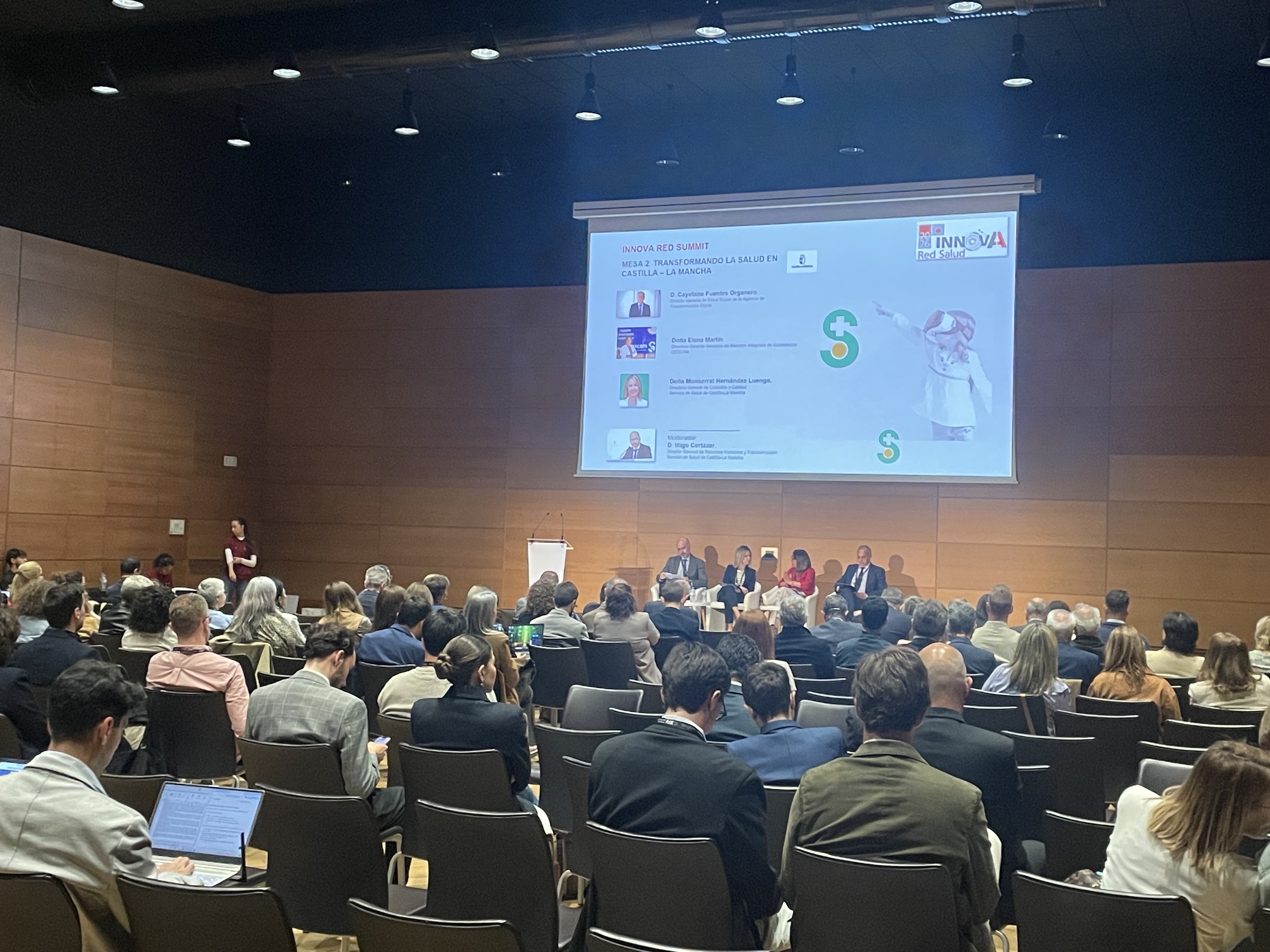
One of the most valuable experiences for HEWEGO was participating in innovaRED Salud, a meeting designed to connect healthcare executives with innovative companies.

Beyond presenting a solution, it was an opportunity to listen to real needs, understand internal hospital processes and validate whether what we are building truly fits within the healthcare system.

And something especially relevant happened:

  • With 100% of the hospitals we spoke with, we continued advancing afterwards in potential implementation and collaboration processes.

That is probably one of the most important validations a digital health company can receive.

Because when a solution connects with real problems, the conversation changes very quickly.

The real challenge is no longer creating technology. It is achieving adoption within the system

In this context, HEWEGO also participated in the roundtable held on April 15 together with Raúl López and Rodolfo Antuña, represented by Gonzalo Cámara.

After the session, Isabel Chacón summarized some of the key ideas that will shape the future relationship between healthcare systems and innovative companies:

  • Understanding the real needs of healthcare organizations
  • Having a clear roadmap
  • Thinking about scalability
  • Understanding hospital processes
  • Designing a real access strategy
  • Implementing innovation operationally
  • And recognizing that data governance will become strategic

Ultimately, all these ideas pointed in the same direction:

Healthcare innovation needs less rhetoric and more real integration capability.

Finalists at the Health Revolution Awards 2026

Finalists at the Health Revolution Awards 2026

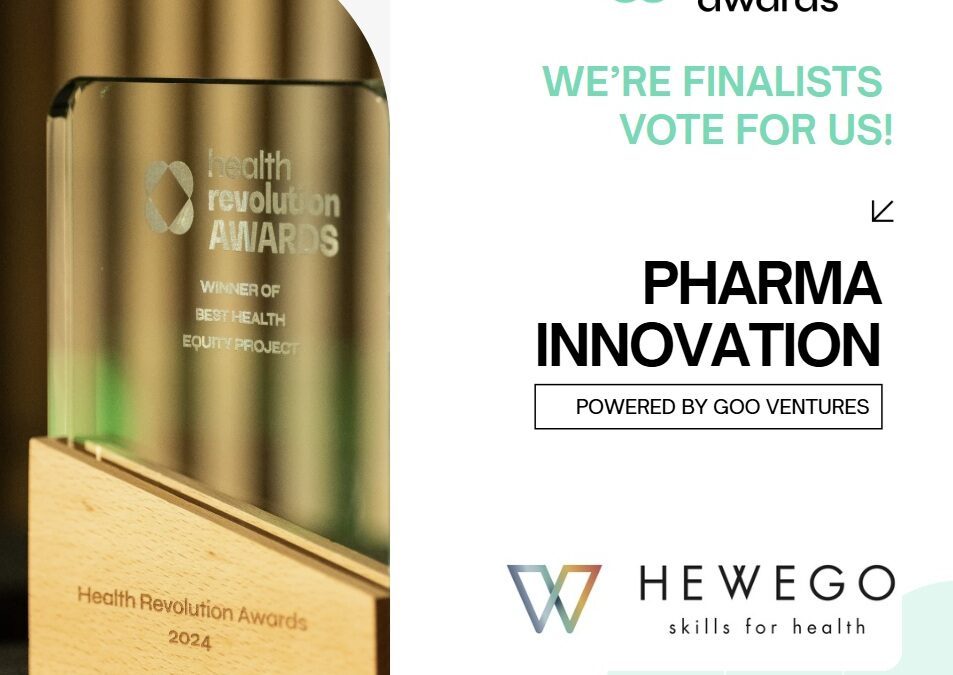
HEWEGO, finalist at the Health Revolution Awards 2026.


If you want to support us…


We have been selected as finalists in the Health Revolution Awards 2026, organized by Barcelona Health Hub as part of the Health Revolution Congress.

This recognition reinforces our approach: placing the patient at the center by giving them tools and strategies to understand, engage with, and improve their health journey.

At a time when healthcare is evolving toward more person-centered models, milestones like this show that the focus is where it truly belongs: on the patient.

In addition, HEWEGO enables healthcare professionals to access updated information, helping to ensure more consistent, high-quality continuity of care.

And that is precisely where HEWEGO has significant potential: helping transform information into action and the patient experience into real value for the healthcare system.

We continue moving forward with a clear idea: a more effective healthcare system is also one that is more understandable and participatory.


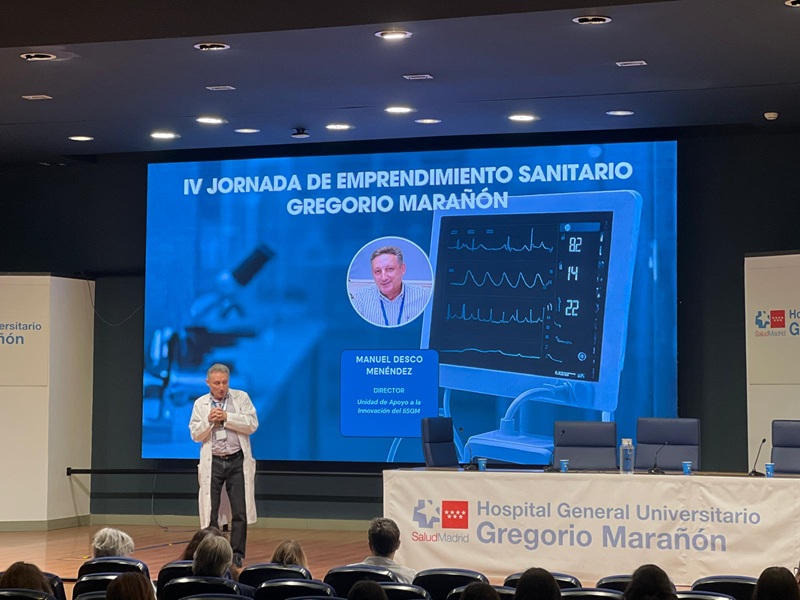
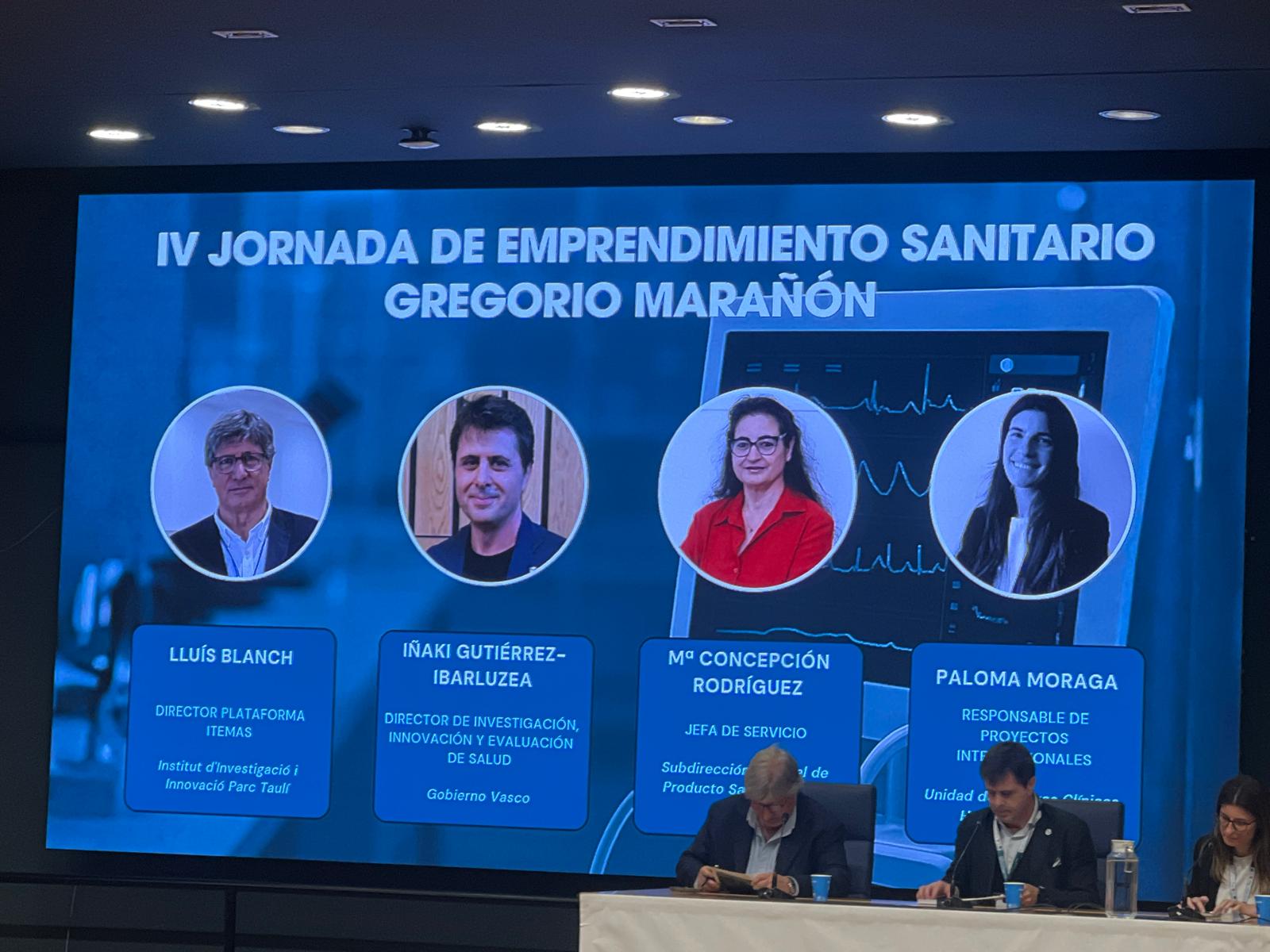
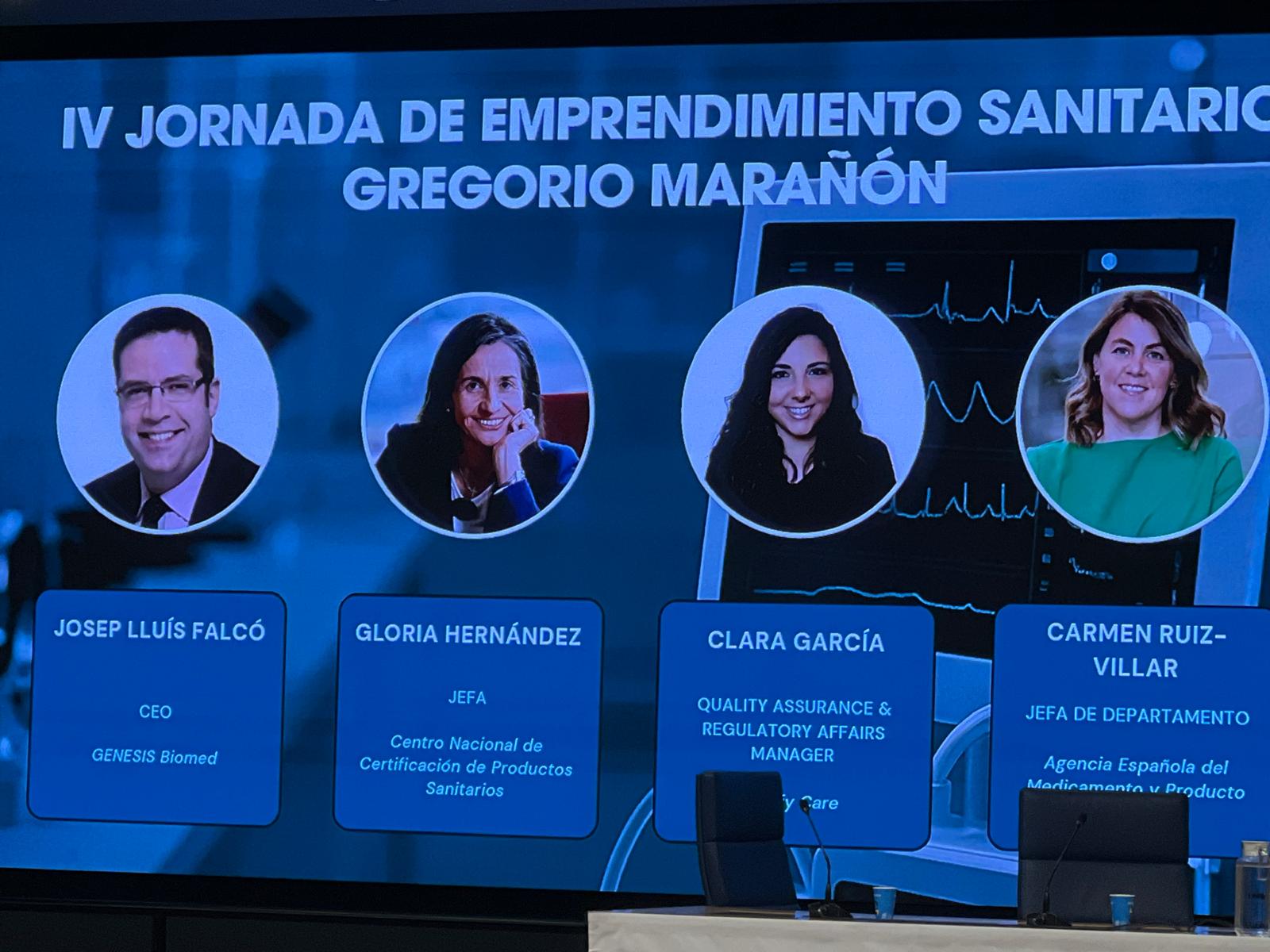
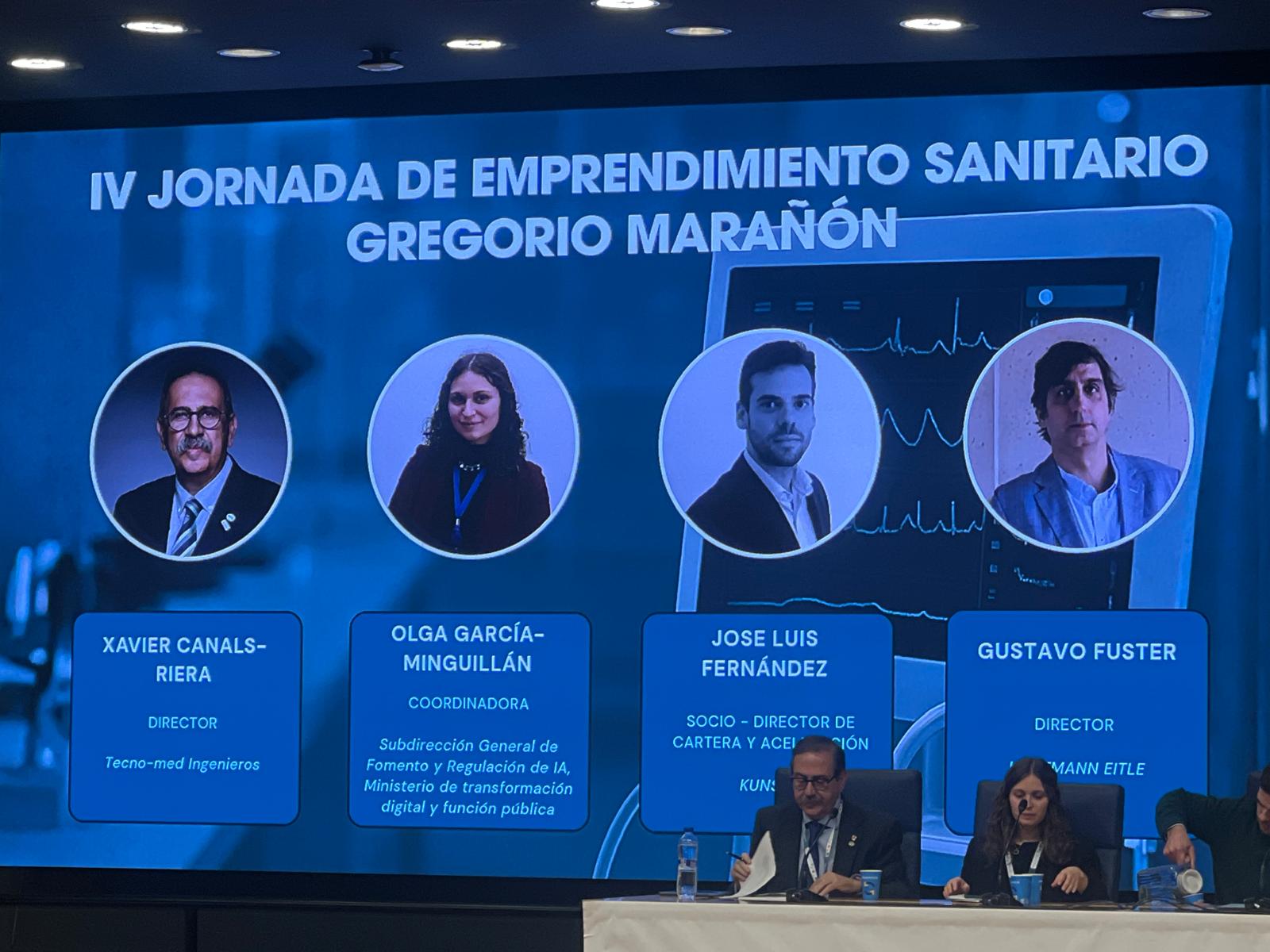
4th Gregorio Marañón Healthcare Entrepreneurship Conference

4th Gregorio Marañón Healthcare Entrepreneurship Conference

Where ideas turn into practical reality.

They talked about how difficult — and exciting — it is to turn a good idea into a healthcare product that actually reaches the market and meets every requirement it needs to meet.

From CE marking to clinical evidence.
From AI regulation to intellectual property.
Everything that doesn’t appear in the photos… but determines the future of a healthcare startup.


health-areas

HEWEGO was there.

GENESIS Biomed, HOFFMANN EITLE Madrid-Barcelona, and Dinamiza Aceleradora de la Investigación en Salud helped create a space where regulators, engineers, clinicians, and entrepreneurs spoke the same language: the language of real-world viability.

Gonzalo Cámara, CEO of HEWEGO, and Jacob Jiménez, CTO, attended the event with one very clear idea in mind: in digital health, no one moves forward alone.

We came away with something more valuable than any business card: perspective.

Perspective on how to better integrate regulation into design from the very beginning. On how to think about clinical evidence as part of the product itself.
On how AI in healthcare requires as much rigor as it does creativity.

health-areas

Innovation in healthcare is not about brilliant ideas. It is about making them work.

At HEWEGO, we believe that healthcare innovation is not measured by how novel it sounds, but by how solid it proves to be when put to the test.

And days like this remind us of something important: healthcare transformation does not happen in headlines. It happens in roundtables, in technical debates, and in people who are willing to do things properly.


Looking ahead to 2026 with greater focus and excitement

Looking ahead to 2026 with greater focus and excitement

Closing 2025 by driving health innovation. Looking ahead to 2026 with greater focus and excitement.  

2025 has been a key year for HEWEGO. A year of steady work, real-world validation within the healthcare ecosystem, and confirmation of a very specific way of understanding innovation: applied, collaborative, and focused on tangible impact.

This year-end milestone also coincides with the completion of the RETECH Digital Entrepreneurship Acceleration Program in the Community of Madrid, a program that has supported 20 startups within the health node and culminated in the Health Demo Day, where the 10 most outstanding HealthTech projects in the regional ecosystem were presented.


A growing and increasingly solid ecosystem


The RETECH program aims to strengthen the regional innovation ecosystem and position the Community of Madrid as a national and international benchmark for digital entrepreneurship applied to strategic sectors such as healthcare.

Over the course of the program, participating startups worked on::

– Business model validation

– Technological development

– Connection with healthcare professionals, industry, and investors

– Preparation for real, sustainable scaling

The Demo Day, held at the Digitaliza Madrid Innovation Center, became a true meeting point for startups, healthcare experts, institutional representatives, and investors—clearly reflecting the growing maturity of digital health innovation in Madrid.


areas-de-salud

HEWEGO: commitment, evolution, and long-term vision.

Within this context, HEWEGO received a Special Mention during the RETECH Health Demo Day 2025 for its high performance, commitment, and evolution throughout the program. A recognition we share with other startups in the health node and one we value especially because it highlights not only outcomes, but the journey itself.

For us, RETECH has been much more than an acceleration program. It has been a space to:

– Refine our value proposition

– Listen to the healthcare system from the inside

– Validate our vision with professionals and decision-makers

– Strengthen a strategy based on technology, clinical rigor, and human experience


areas-de-salud

Closing one stage to open the next.

Ending 2025 with this recognition is a clear signal that the chosen path makes sense. But above all, it marks a new beginning.

In 2026, we aim to move forward with greater focus, less noise, and more real impact:

– More concrete projects

– Pilots and collaborations with healthcare organizations

– Solutions that meaningfully support patients and professionals in a sustainable way

We remain convinced that innovation in healthcare only works when technology, people, and real-world context are truly connected—and that success lies not in promises, but in implementation.

Thank you to the ecosystem that makes this possible


None of this happens in isolation. Programs like RETECH, driven by the Community of Madrid and funded by NextGenerationEU, demonstrate that when public institutions, startups, healthcare professionals, and industry work in alignment, innovation moves beyond discourse and becomes real impact.

We close 2025 with gratitude.
We open 2026 with excitement, responsibility, and a strong desire to keep building.

Because at HEWEGO, our goal remains clear: to improve people’s health through digital solutions built with purpose, rigor, and humanity.


At Hospital Universitario Fundación Alcorcón

At Hospital Universitario Fundación Alcorcón

At HUFA’s Strategic Innovation Gateway: when innovation turns into action.

On November 21st, the Hospital Universitario Fundación Alcorcón stopped being just a hospital. For a few hours, it became a space where the real needs of patients and professionals met the technological capability required to turn them into solutions. A vibrant, collaborative, and honest environment where innovation wasn’t presented… it was practiced.

Amid this ecosystem, HEWEGO played an active role by addressing three key challenges for the future of digital health: intelligent patient support, professional assistance, and advanced health education.

areas-de-salud

Challenge 1: A human-centered chatbot for colorectal cancer patients.

Supporting better means listening better. That’s why, in this challenge, we proposed the development of a 24/7 conversational chatbot designed for colorectal cancer patients and built with a deeply human-centered approach.

It’s not just about answering questions: it’s about reducing anxiety, improving understanding of the therapeutic process, and providing real emotional support in coordination with oncology nursing and psychosocial teams.

An assistant capable of clearly, empathetically, and personally explaining diagnoses, treatments, side effects, and wellness care.
A resource that can empower patients… and free up clinical time for what matters most: human care.

areas-de-salud

Challenge 11: A virtual assistant for hospital staff.

Hospitals run on thousands of micro-tasks that consume time and energy. In this challenge, we proposed an AI-powered assistant, available 24/7, to resolve internal questions, procedures, doubts about corporate applications, and administrative processes.

A tool that lightens the bureaucratic load, boosts productivity, and gives professionals back something truly valuable: more time for patient care.

Challenge 14: Smart Health — Education, self-care, and personalized follow-up.

Health education is the first step toward patient autonomy. For this challenge, we proposed a digital platform similar to a “Patient School,” designed to provide verified information on conditions, treatments, and hospital pathways.

But that’s not all:
It includes content on healthy habits, online training modules, and the foundation for a future app to record medication, side effects, and clinical progress.

A solution that creates continuity beyond the consultation and builds a bridge between medical knowledge, self-care, and personalized follow-up.

areas-de-salud

A meeting that opens doors.

In our meetings with the medical teams and hospital management, we felt something very clear: there is willingness, there is need, and there is fertile ground to build real projects.
The feedback was excellent, and we are already coordinating a follow-up meeting to move forward with an initial joint project.

What happened during this event was special because it didn’t stay on the surface. There was debate, challenge, refinement. And from that exchange emerged opportunities that can truly transform the experience of both patients and professionals.

At HEWEGO, we continue moving in the same direction.

We believe in a more human, more accessible, and more connected healthcare.
We believe in solutions that combine technology + clinical expertise + user experience.
And above all, we believe in collaboration as the engine of change.

HUFA’s Strategic Innovation Gateway reminded us that innovation doesn’t happen in isolation.
It happens when we work together.