
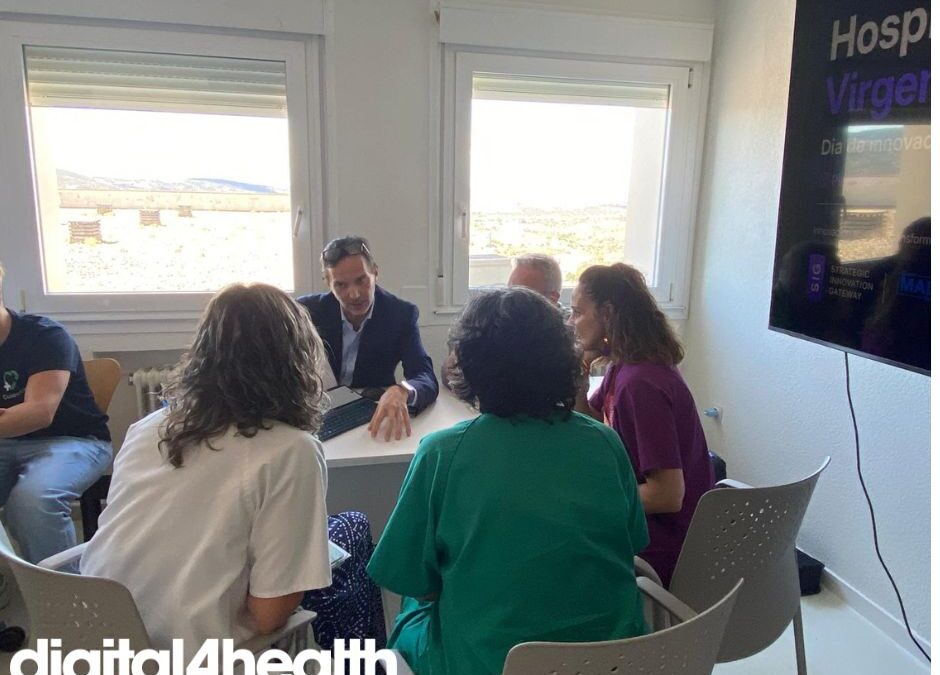
Strategic Innovation Gateway at Hospital Virgen del Puerto
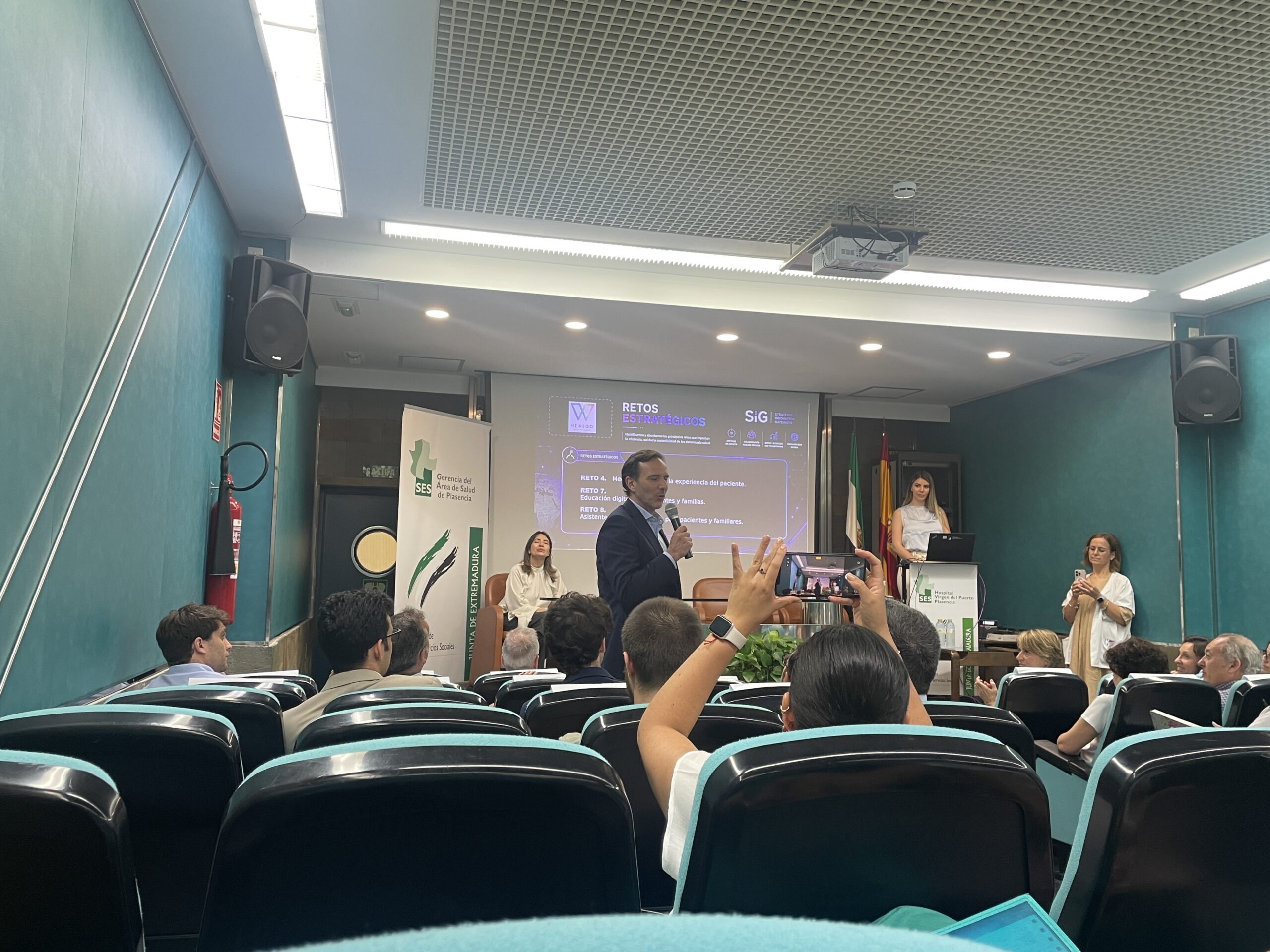
From Hospital Challenges to Practical Solutions.
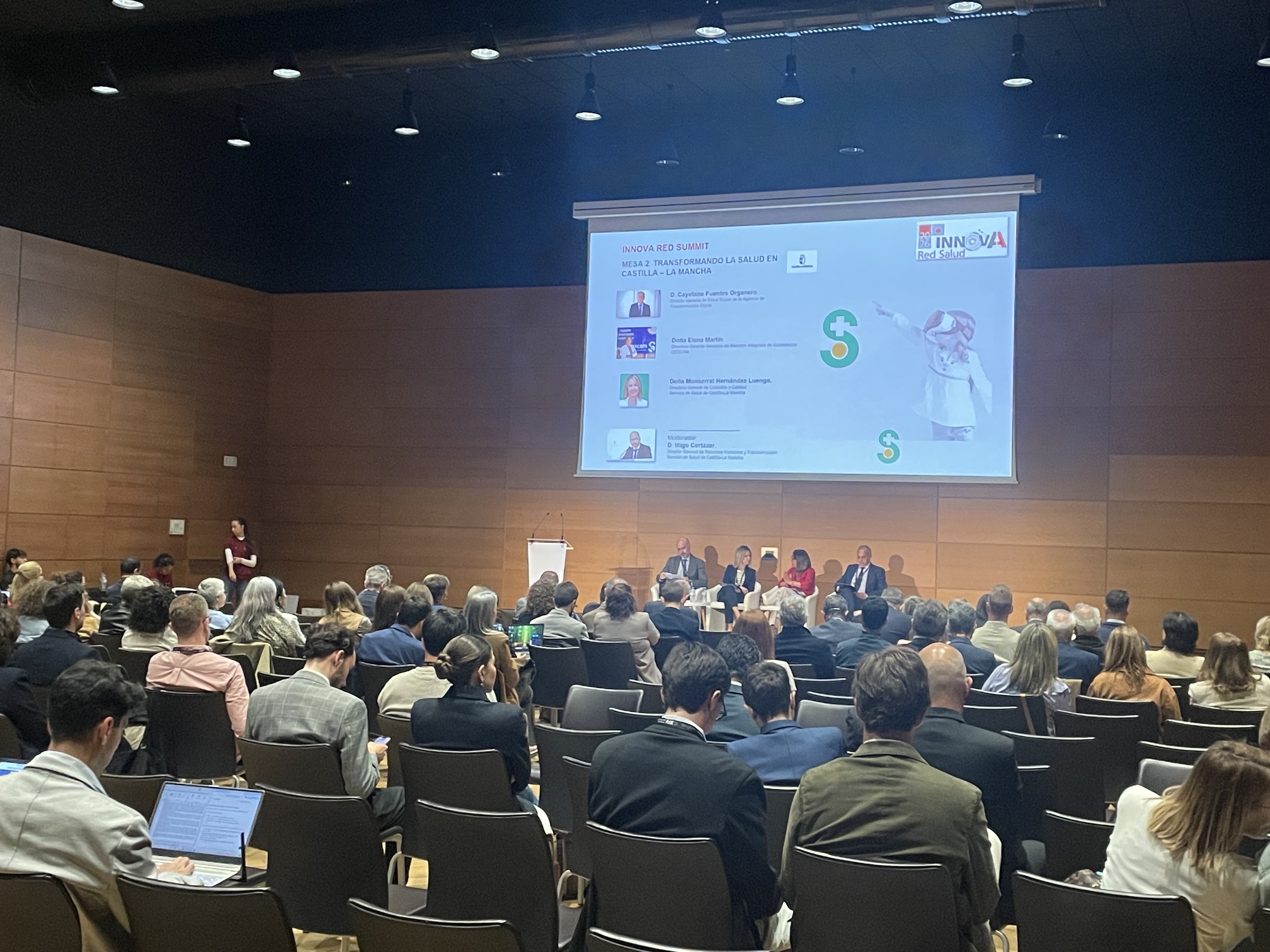
Last week, we took part in a new Strategic Innovation Gateway (SIG) held at Hospital Virgen del Puerto in Plasencia, alongside MAD e-Health and Digital4Health Worldwide.
The most valuable aspect of these sessions is not the presentations. It is the opportunity to hear firsthand about the real challenges hospitals face and to explore how innovation can help address them.
At HEWEGO, we believe that the best solutions are never created in isolation. They emerge through collaboration between healthcare professionals, hospital managers and innovative companies working towards a common goal: improving the experience of both patients and healthcare professionals.

Building Solutions from Real Clinical Needs.
We had the opportunity to meet with teams from the Intensive Care Unit (ICU), Nursing, Clinical Care, Geriatrics, Endocrinology, Primary Care and Hospital Management to discuss strategic challenges they are looking to address and explore how HEWEGO can contribute with practical, patient-centred solutions.
Initiatives such as the Strategic Innovation Gateway demonstrate that healthcare transformation moves much faster when innovation stops offering generic answers and starts responding to real-world needs.
We will continue learning, collaborating and helping build a healthcare system that is more human, more practical and more closely connected to the realities of everyday care.





Recent Comments